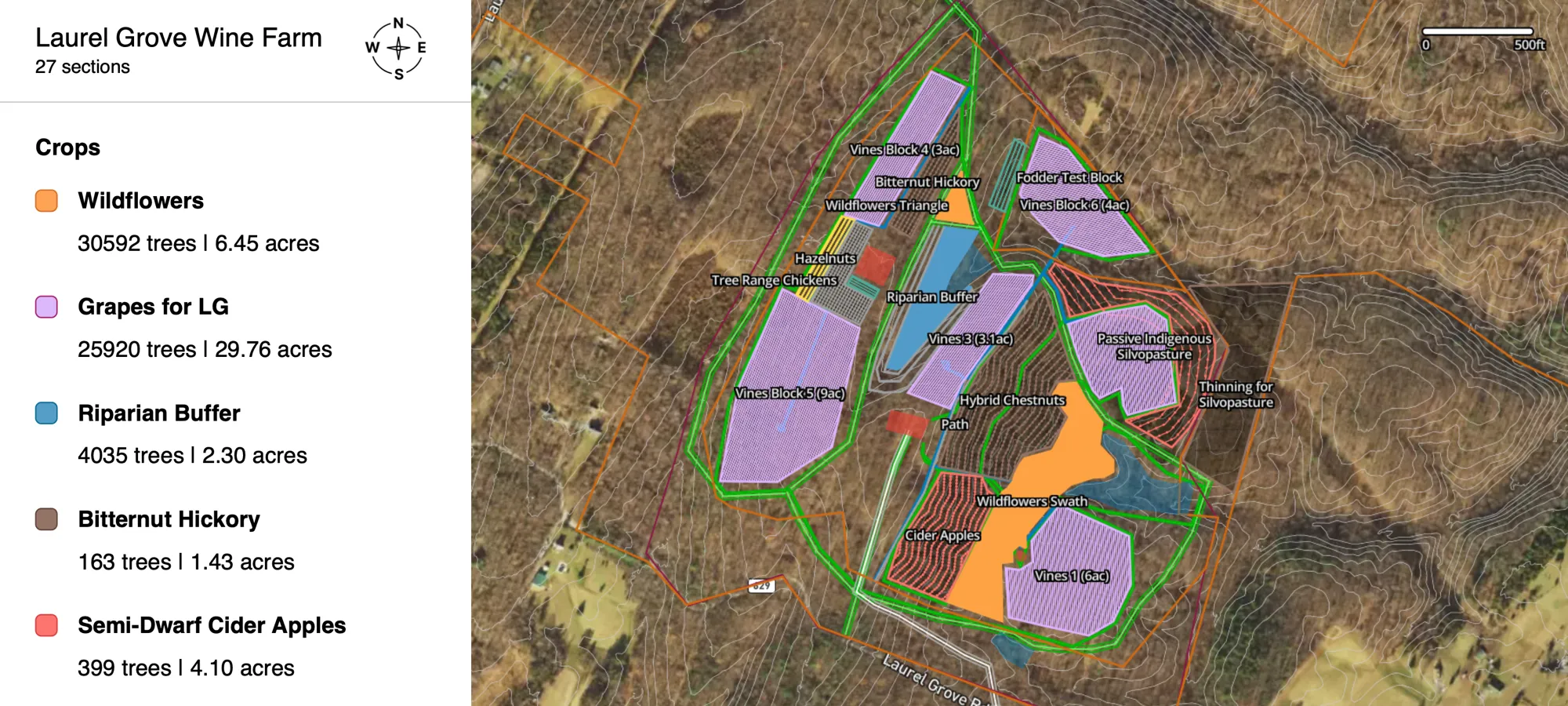
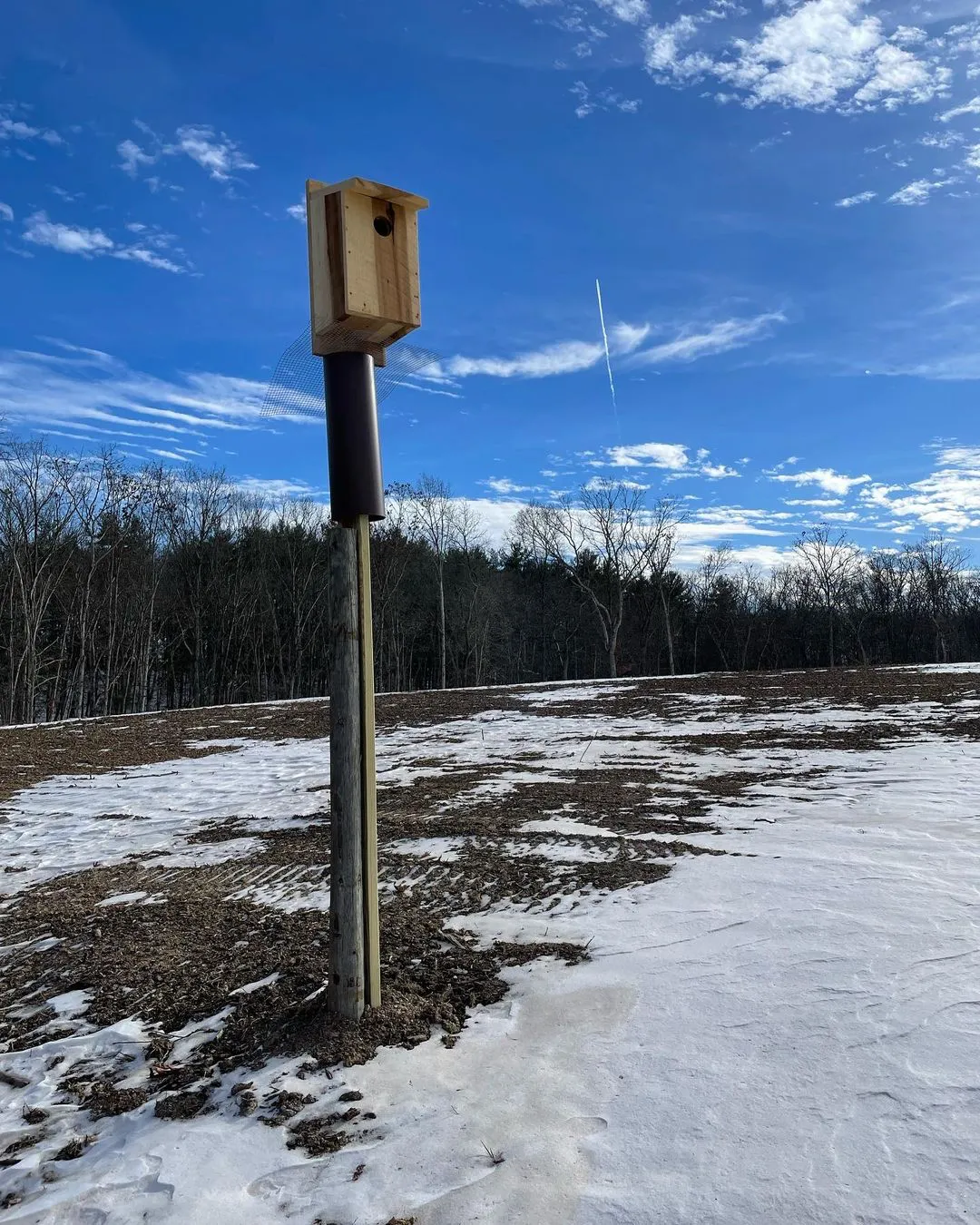
Laurel Grove Wine Farm is an estate permaculture farm and vineyard in Winchester, Virginia roughly 90 miles east of Washington DC in the Shenandoah Valley.
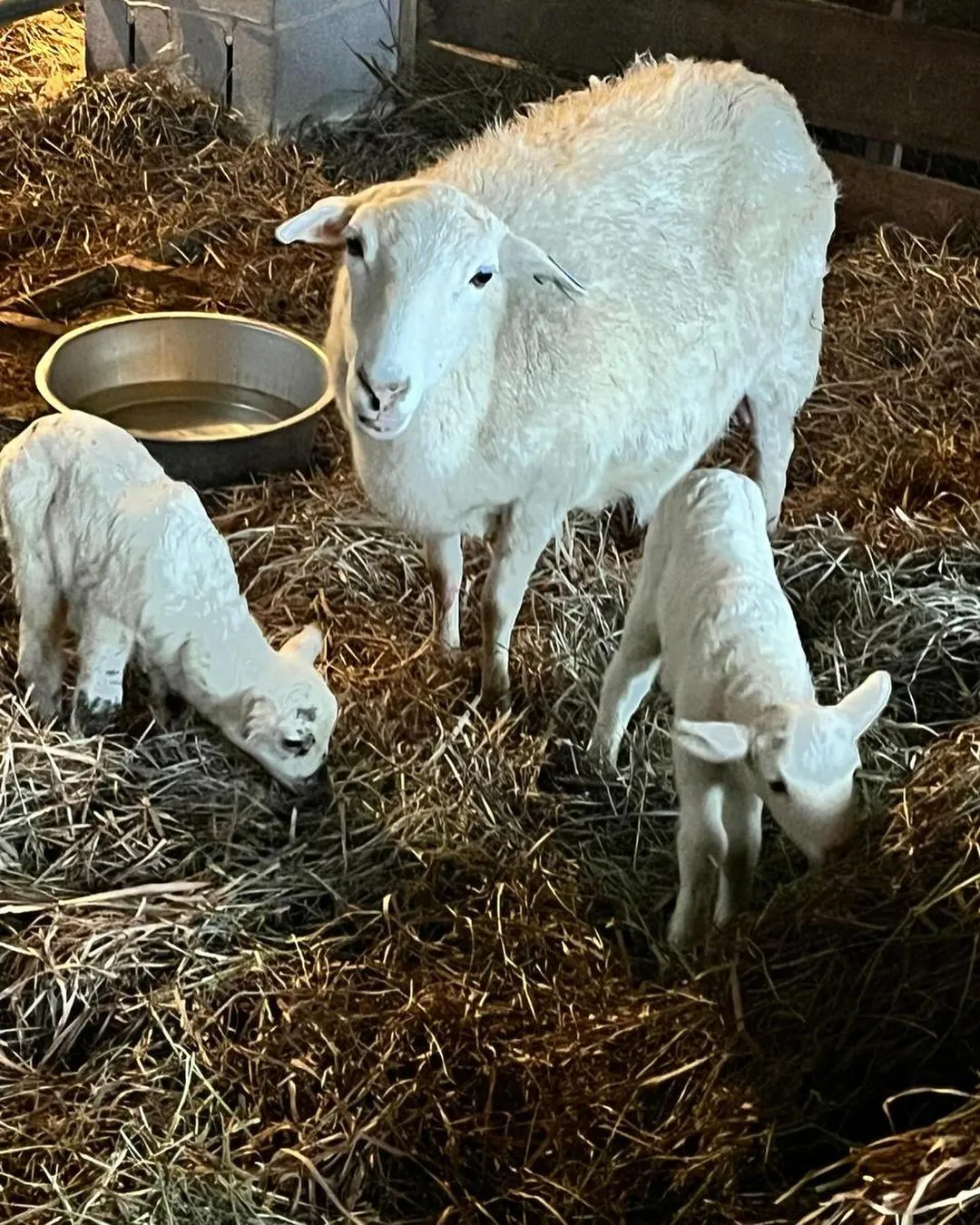
Once fully operational, Laurel Grove will have about 80 acres planted with a variety of produce, fruit and nut trees, and wildflowers; 40 acres of which will be own-rooted vinifera. These perennial systems will be home to sheep, chickens and other fowl – and eventually pigs and cattle. All of the products grown or produced at Laurel Grove will be sold at Patti’s Place, the on-site farm market and community center. As with Patti’s Place the farm will be a family operation, owned and operated by The Mommen Family.
Regenerative Agriculture
Regenerative Agriculture is a philosophy and approach to land management. Regenerative agriculture asks us to think about how all aspects of agriculture are connected through a web—a network of entities who grow, enhance, exchange, distribute, and consume goods and services—instead of a linear supply chain. It’s about farming and ranching in a style that nourishes people and the earth, with specific practices varying from grower to grower and from region to region. There’s no strict rule book, but the holistic principles behind the dynamic system of regenerative agriculture are meant to restore soil and ecosystem health and leave our land, waters, and climate in better shape for future generations.
Regenerative growers foster and protect relationships—between people, lands, waterbodies, livestock, wildlife, and microbial life in soil.

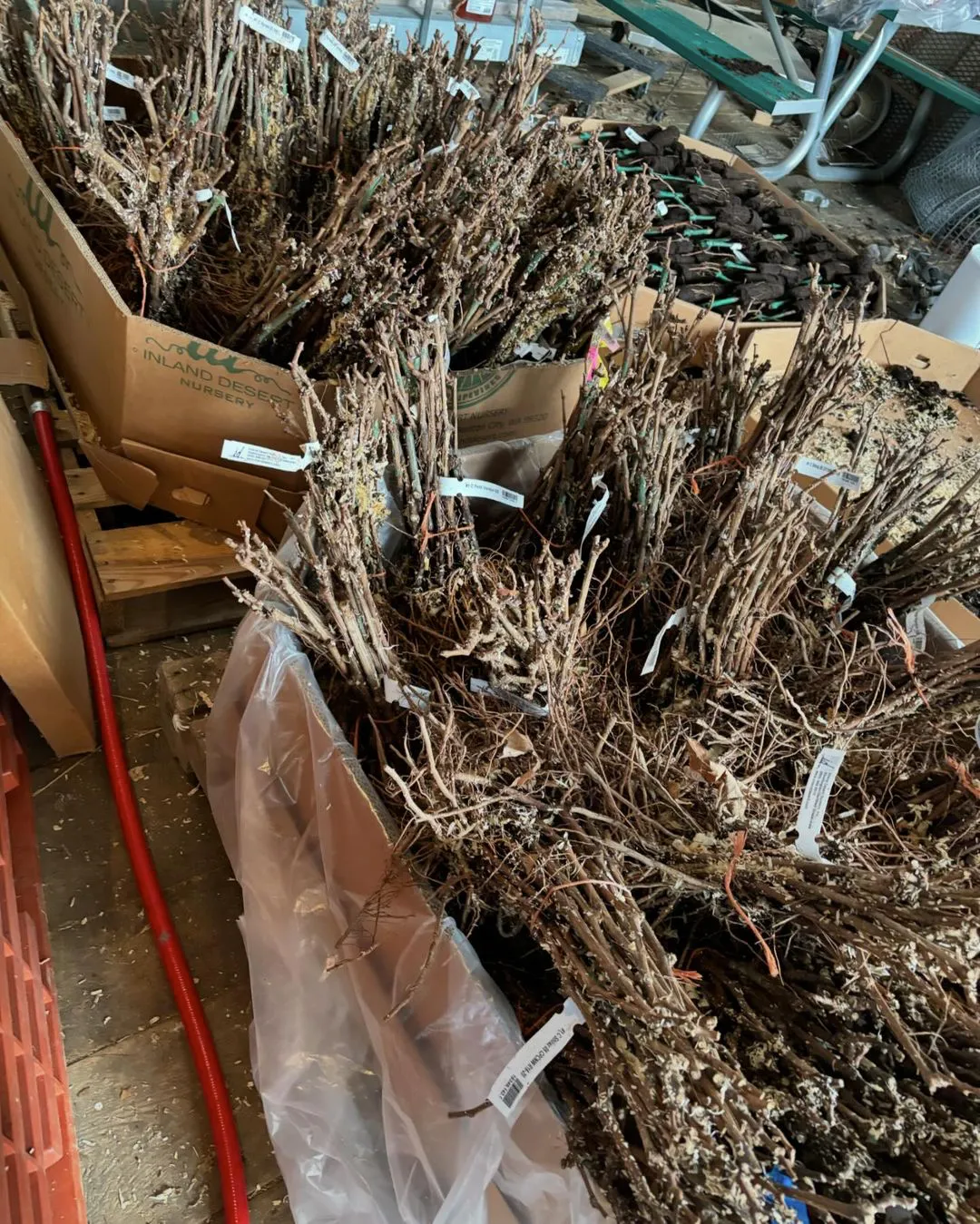
A key difference between regenerative and organic agriculture is that organic farms are tied to a set of rules established by the government regarding inputs and farming practices, where regenerative agriculture is not bound by rules but by a commitment to improving soil health and the overall quality and health of the land and, leaving it better for the next generation. There are currently a handful of NGOs who offer Regenerative Certification but there is no uniform definition or standard between them. The product of both approaches is a healthier, more nutritious product.
Regenerative agriculture is not bound by rules but by a commitment to improving soil health and the overall quality and health of the land and, leaving it better for the next generation
The Vineyard
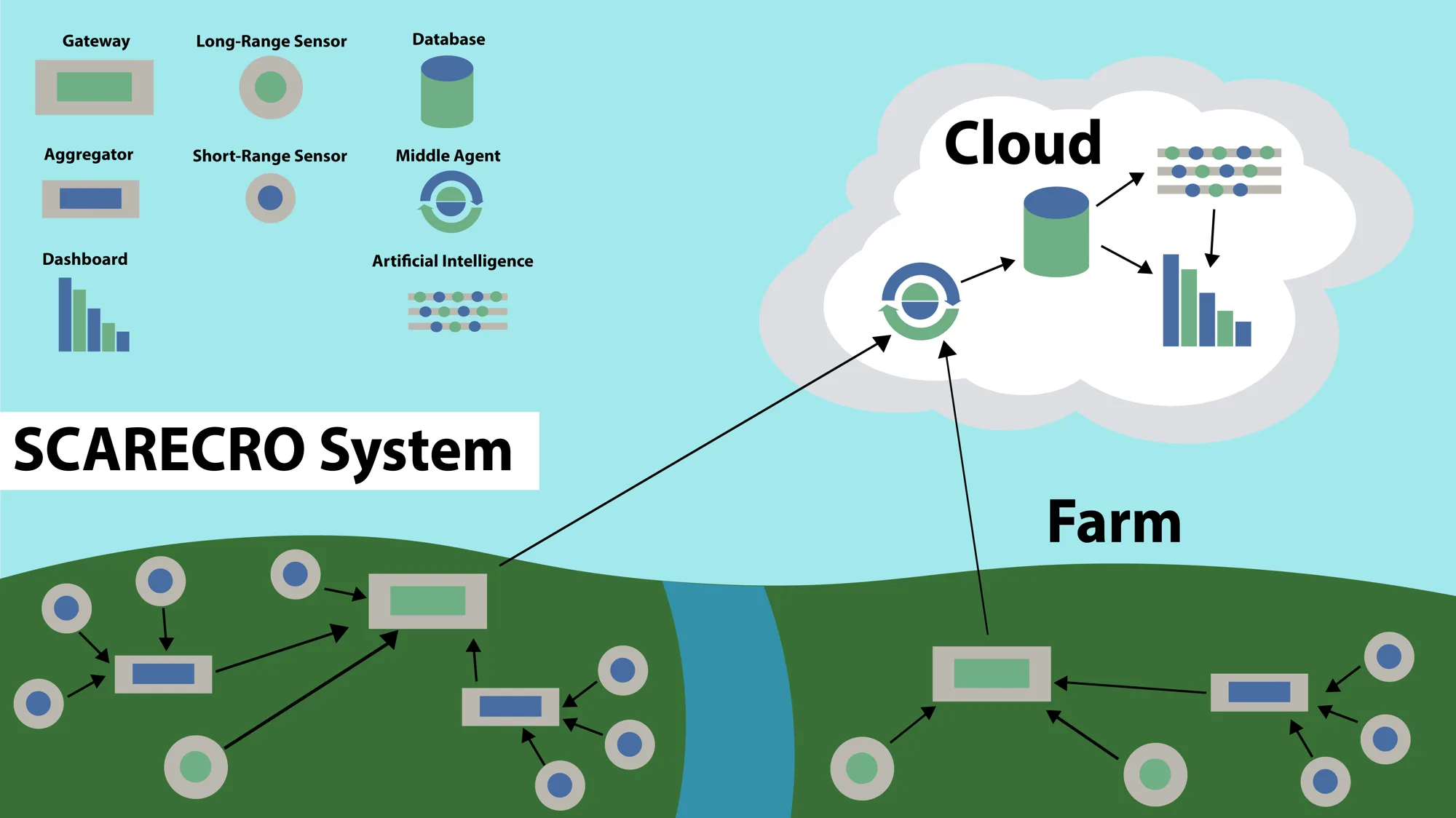
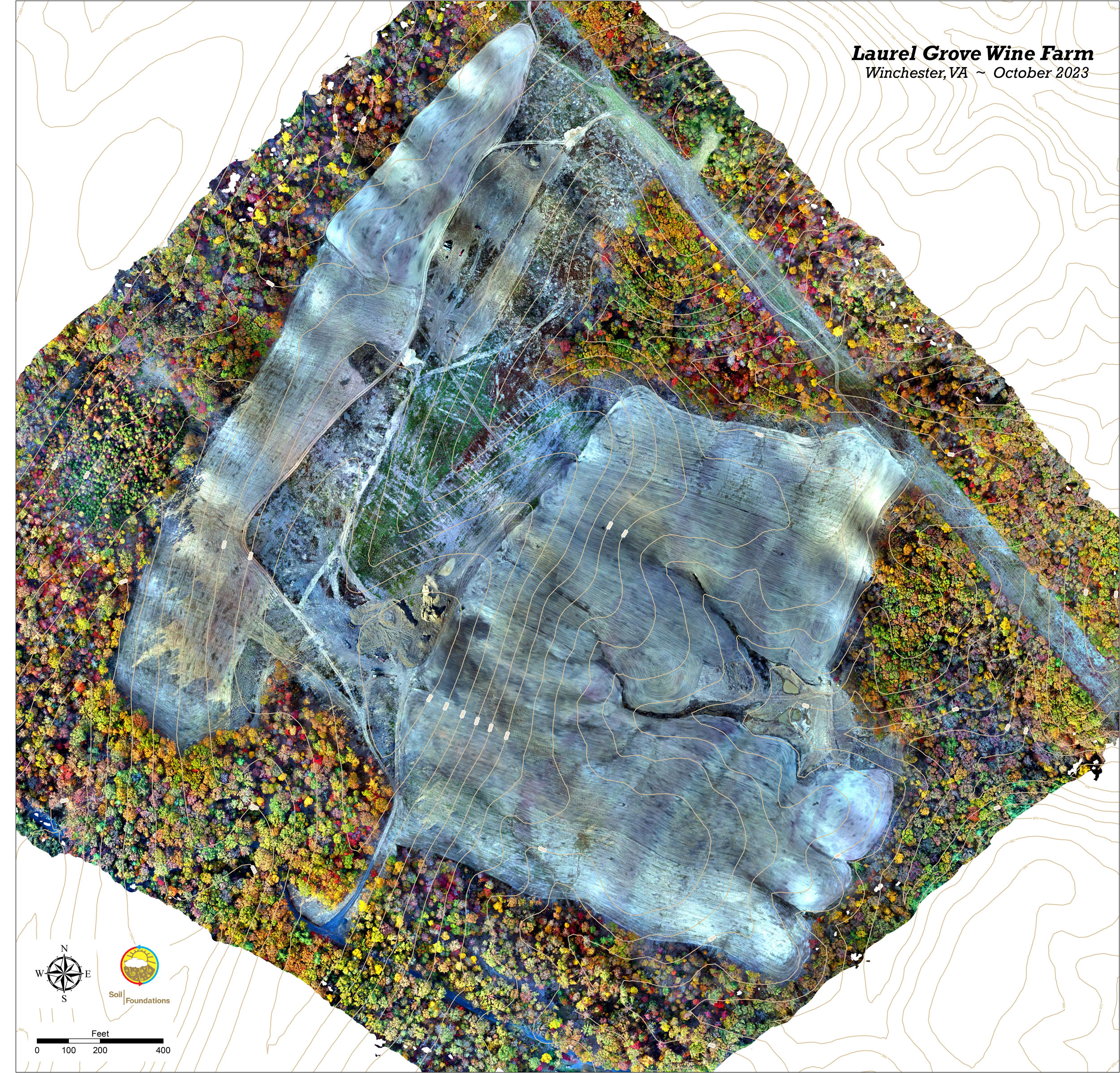
In 2021, Laurel Grove Wine Farm commenced a partnership with the Center for Industrial Robotics at the University of Idaho to develop SCARECRO, a proprietary precision agriculture technology platform. SCARECRO utilizes custom IoT systems, sensors, algorithms, drone mapping, and electromagnetic induction data to enhance various aspects of grape cultivation, including soil analysis, canopy management, predictive harvest modeling, and ongoing sap analysis.
Leveraging custom and off the shelf IoT systems, SCARECRO tailors vineyard management practices to the unique needs of individual vine microclimate and environment. This encompasses precise management of irrigation, nutrient delivery, canopy pruning, and disease monitoring. By optimizing these factors at a granular level, SCARECRO not only aims to enhance grape quality and yield but also promotes sustainable viticulture practices that minimize resource consumption and reduce the environmental footprint of wine production.
Additionally, SCARECRO aims to incorporate machine learning algorithms that continually analyze data from multiple sources to optimize vineyard management strategies. This intelligent system generates actionable insights to support decision-making, streamline operations, and refine winemaking processes. SCARECRO enables Laurel Grove Wine Farm to combine technology with regenerative farming practices, aiming to produce exceptional wines that reflect their terroir accurately.